Interior and Ploom
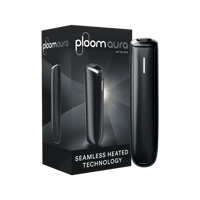
Ploom, as a device that heats tobacco without burning it, brings a different approach to the use experience both technologically and aesthetically. This difference is not limited only to functionality. The design of the device and the accessories made for it allow the user to reflect their taste and daily habits. In modern interior understanding, technological objects are no longer hidden elements, they have become details that match the overall style of the space.
The shape of Ploom, the choice of materials and the possibility of personalization allow it to easily match the visual rhythm of daily spaces. Whether it is placed on a work desk, in a living room or in a personal relaxation area, the device and accessories do not disturb the overall aesthetics of the interior and are accepted as a natural continuation of the existing style.
Freshness in your home: say goodbye to unpleasant smells with Ploom
One of the main factors that create discomfort in closed spaces is strong and lasting smells. Especially textile surfaces, curtains, sofas and carpets can quickly absorb smell and create unpleasant air in the space. These smells stay not only in the air but also on surfaces and can be felt for a long time.
Unlike traditional tobacco, such situations are not observed when using Ploom. Because here tobacco is not burned, it is heated in a controlled way. The absence of the burning process prevents heavy particles from spreading into the air and greatly reduces the time the smell stays in the space. As a result a more neutral, clean and balanced air environment is kept in the home or in personal spaces.
At the same time different taste options made for Ploom create a softer and less noticeable smell profile. When these aromas spread in the space they do not create a sharp or disturbing effect and remain only as a light smell that disappears in a short time. This feature creates extra comfort especially in situations where several people use the same space.
Why tobacco smell does not stay in the space after using Ploom
The answer to this question is in the working principle of the device. In traditional tobacco products the burning process creates smoke and ash. Smoke carries many burning by-products, so the smell becomes heavier and more lasting.
In alternative systems tobacco does not burn, it only heats. In this case classic smoke does not appear and the composition of substances released into the air changes. As a result the smell becomes lighter and does not stay in the space for a long time. This difference is especially important in small spaces.
Minimalist technology that matches interior design
In modern interior design technology is no longer a hidden element, but a detail that matches the visual language of the space. Minimalist lines, calm color palettes and functional simplicity form the basis of this approach. Ploom X Advanced also matches these principles in design and keeps the overall harmony of the interior.
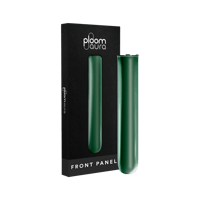
The replaceable front panels of the device are an important part of this adaptation. Ploom X Advanced front panel and premium front panel options allow balance between simple and more expressive design choices. This flexibility makes it easier to match the device with the color palette of the interior.
Back covers also play an important role from an aesthetic point of view. The fabric back cover creates a softer visual effect, while the leather back cover adds a more classic and calm character to the space. The choice of material affects not only the appearance but also the overall feeling the device creates in the space.
The Ploom X Advanced all-in-one carrying case designed for carrying and storing helps organize daily use more neatly. Even when these accessories are kept visible in the interior they do not create visual disorder.
The stick tray, Dock Station and AC adapter that complete the use can also be placed in the space in a way that matches the environment without hiding technical details and without creating a messy look.
In short, the accessories made for Ploom X Advanced present technology not as a foreign element in the interior, but as a natural continuation of it. These details, designed with attention to color, material and form, help maintain the aesthetic and functional balance in modern spaces.